Comprehensive medical evaluation, specialized therapy, and interventional endoscopic management for acute and chronic pancreatitis in Tumakuru.
The pancreas plays a dual role in human health: it produces powerful enzymes to digest fats and proteins, and secretes hormones like insulin to regulate blood sugar levels. When the pancreas becomes inflamed (pancreatitis) or develops structural anomalies like cysts and masses, it can cause severe pain and disrupt both digestion and blood glucose control.
Led by Dr. Balakrishna A., an experienced gastroenterologist in Tumakuru, our clinic provides advanced diagnostic pathways and tailored treatment strategies. We combine medication and dietary adjustments with advanced endoscopic ultrasound (EUS) and ERCP to drain pseudocysts, remove pancreatic duct stones, and place stents—saving patients from invasive open surgeries.
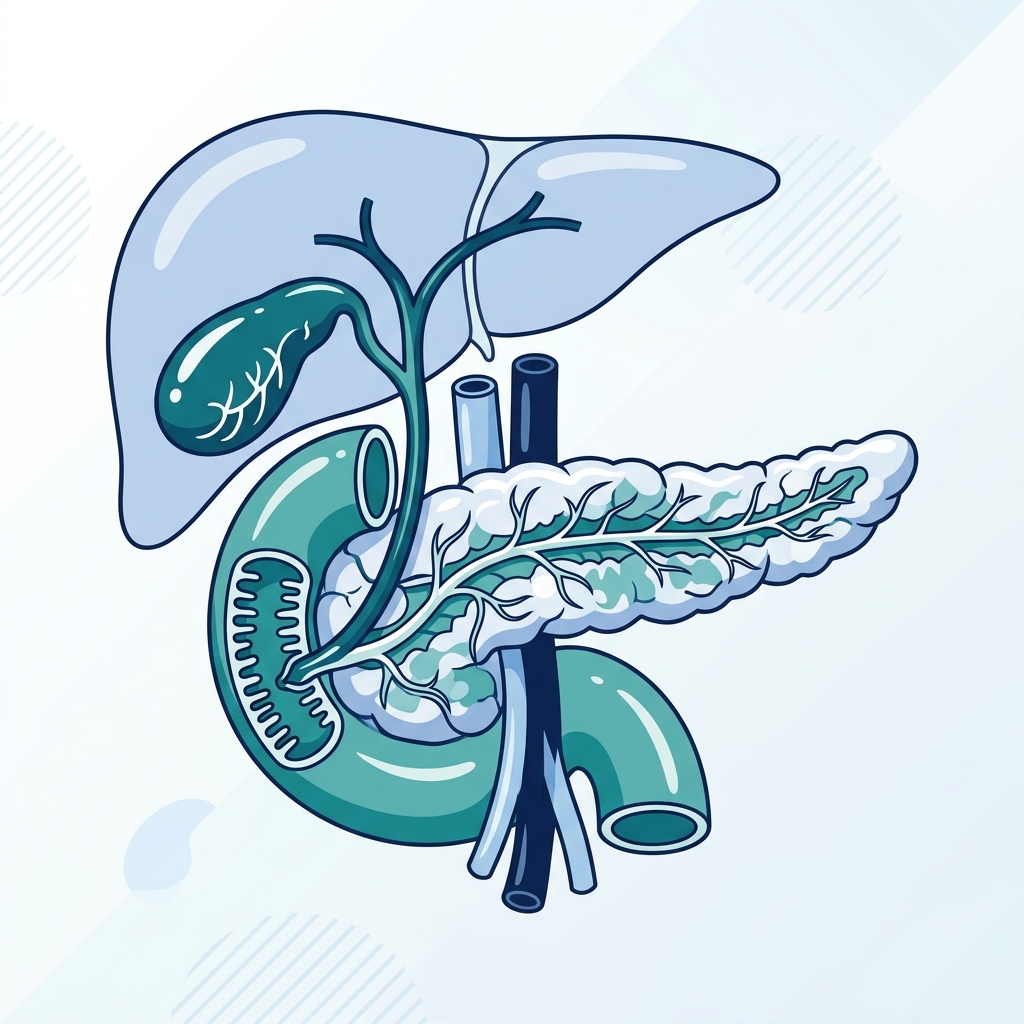
If you suffer from any of these symptoms, a professional clinical review can help establish the root cause.
Intense pain in the upper abdomen that often radiates through to the back and worsens after eating.
Sharp stomach pain that flares up specifically after consuming greasy, fried, or high-fat foods.
Frequent, severe nausea and vomiting that commonly accompanies acute flares of pancreatic inflammation.
Foul-smelling, bulky, or greasy stools that float, indicating that the body is not digesting and absorbing fats.
Sudden loss of weight due to the body's inability to digest food and absorb nutrients properly.
Newly diagnosed diabetes or a sudden, unexplained loss of blood sugar control in someone with chronic pancreatitis.
Severe acute pancreatitis can escalate into a critical medical emergency. Seek immediate emergency care if you experience:
We provide dedicated medical and advanced interventional care for the following disorders:
Urgent, hospital-based medical stabilization, aggressive intravenous fluid hydration, nutritional support, and diagnostic search for gallstone triggers.
Long-term care plans focusing on specialized pain relief, enzyme replacement therapies, and nutritional strategies to manage malabsorption.
Custom pharmacotherapy, blood sugar monitoring, and dietary advice to optimize digestion and protect remaining pancreatic function.
Using advanced interventional ultrasound (EUS) and ERCP to perform pseudocyst drainage, clear pancreatic duct stones, and place stents.
Seeking professional clinical care early leads to much higher recovery rates and quality of life.
Early medical intervention protects the pancreas from permanent scarring and preserves insulin production.
EUS-guided drainage clears painful fluid cysts through internal stents, avoiding open surgery.
Prescribed pancreatic enzymes restore proper digestion, stopping oily stools and weight loss.
EUS-guided nerve blocks or stenting provides direct, highly effective relief from chronic pain.
Consultant Gastroenterologist & Hepatologist | DM Gastroenterology | 10+ Years Experience
Common questions regarding acute pancreatitis, enzyme therapy, and cysts.
Pancreatitis is inflammation of the pancreas. It occurs when digestive enzymes become active while still inside the pancreas, causing irritation and damage to its own tissues. It can occur as a sudden attack (acute) or a long-term, progressive condition (chronic).
The two most common triggers of acute pancreatitis are gallstones (which block the pancreatic duct) and excessive alcohol consumption. Other causes include high blood fat levels (triglycerides), certain medications, trauma, or structural duct abnormalities.
When chronic pancreatitis damages the pancreas, it can no longer produce enough digestive enzymes. Pancreatic enzyme replacement therapy (PERT) involves taking capsule supplements with every meal to help digest fats and proteins, stopping diarrhea and weight loss.
Yes. Using interventional Endoscopic Ultrasound (EUS), we can perform a non-surgical procedure called a cystogastrostomy. Under real-time imaging, a small stent is placed to drain the cyst fluid directly into the stomach, avoiding open surgery.
The pancreas contains specialized islet cells that produce insulin. Over years of chronic inflammation and scarring, these insulin-producing cells can be destroyed, leading to "type 3c" diabetes. This requires careful clinical endocrine management.
Book a consultation with Dr. Balakrishna A. in Tumakuru for specialized diagnosis and comprehensive pancreatitis care.
Schedule Consultation