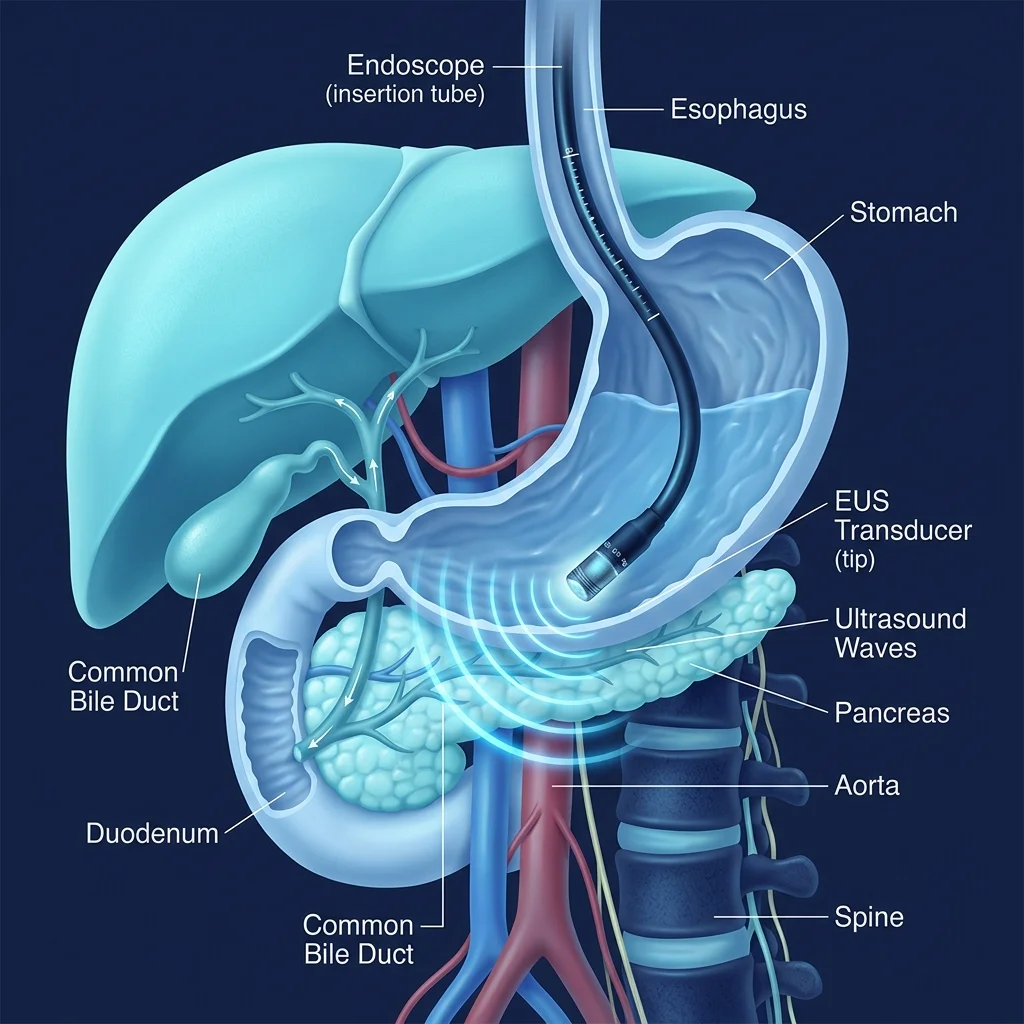
Endoscopic Ultrasound (EUS): A Closer Look at the Digestive System
A patient-friendly guide to diagnostic and therapeutic EUS, fine-needle biopsy, pancreatic cyst evaluation, and minimally invasive procedures by Dr. Balakrishna A.
Read Article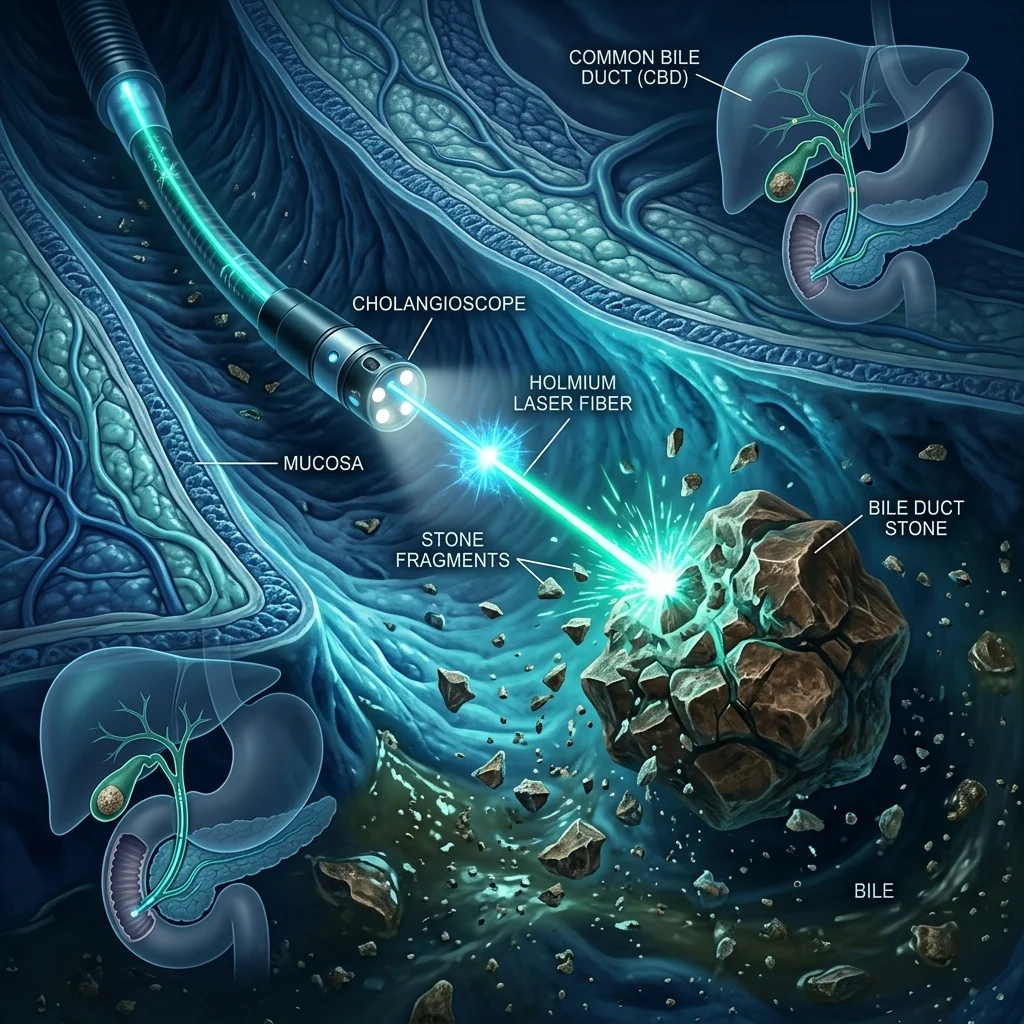
Cholangioscopy: A Modern Treatment for Difficult Bile Duct Stones
A patient-friendly guide on direct visualization cholangioscopy and laser lithotripsy for large or difficult bile duct stones by Dr. Balakrishna A.
Read Article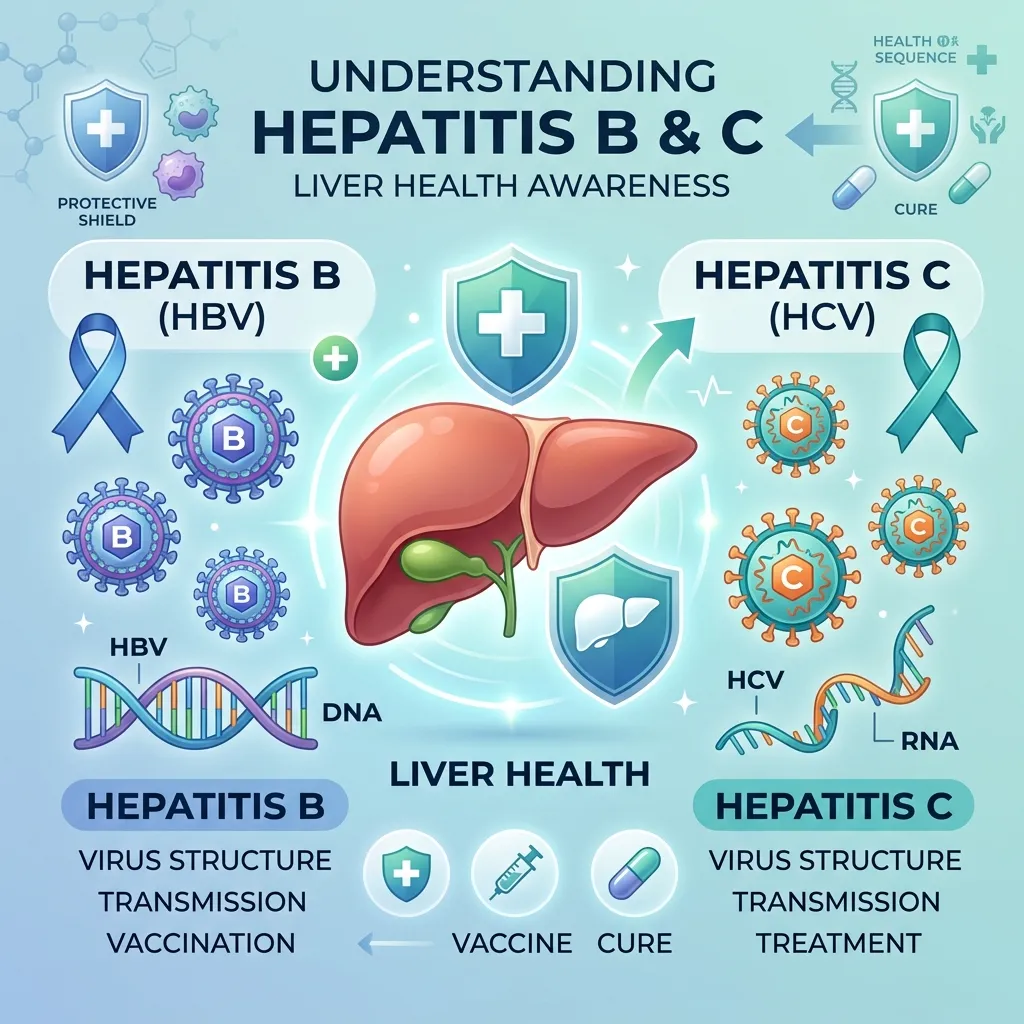
Hepatitis B & Hepatitis C: The Silent Infections You Should Never Ignore
Learn about viral hepatitis transmission, why most people feel healthy until damage occurs, testing guidelines, and how modern medicine can treat HBV and cure HCV.
Read Article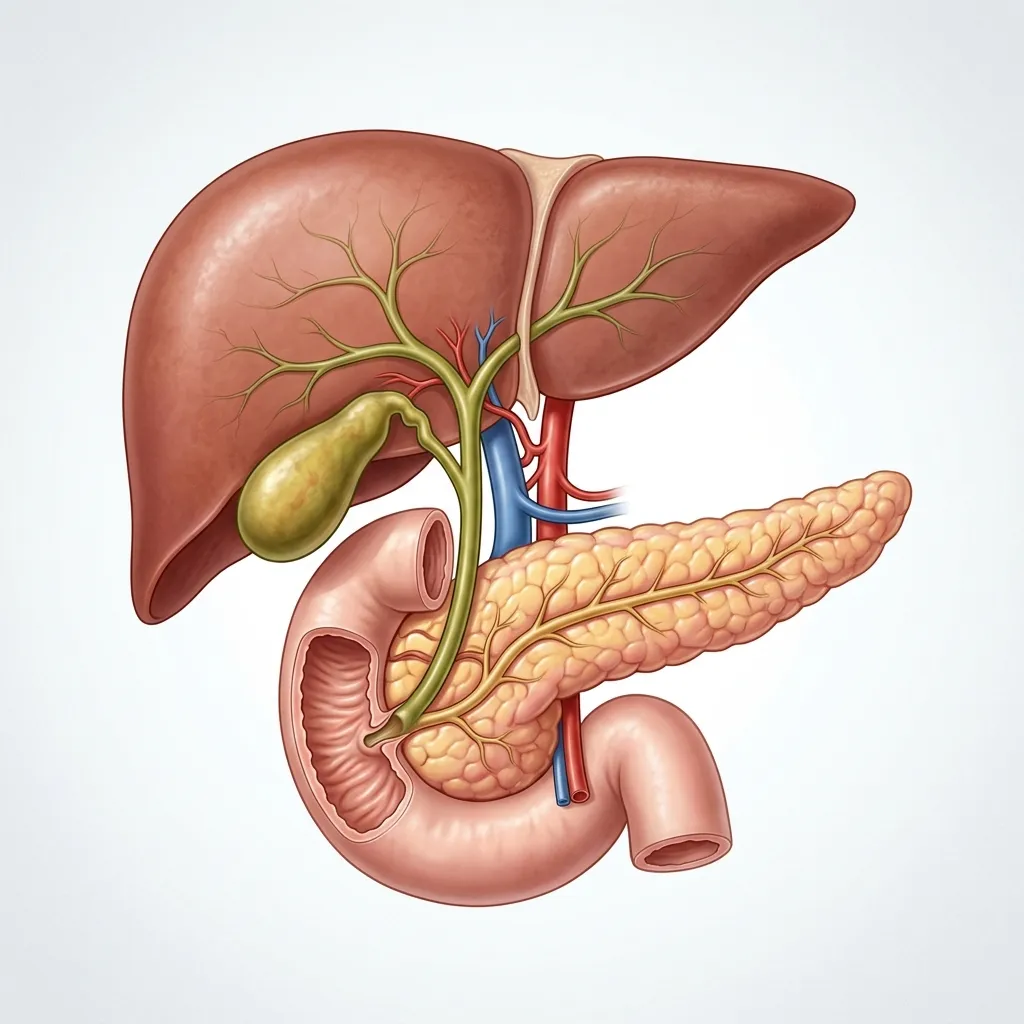
What Is ERCP and When Is It Needed?
Demystify ERCP. Learn about indications like CBD stone removal, bile duct strictures, what to expect during recovery, and why it is a key procedure in therapeutic endoscopy.
Read Article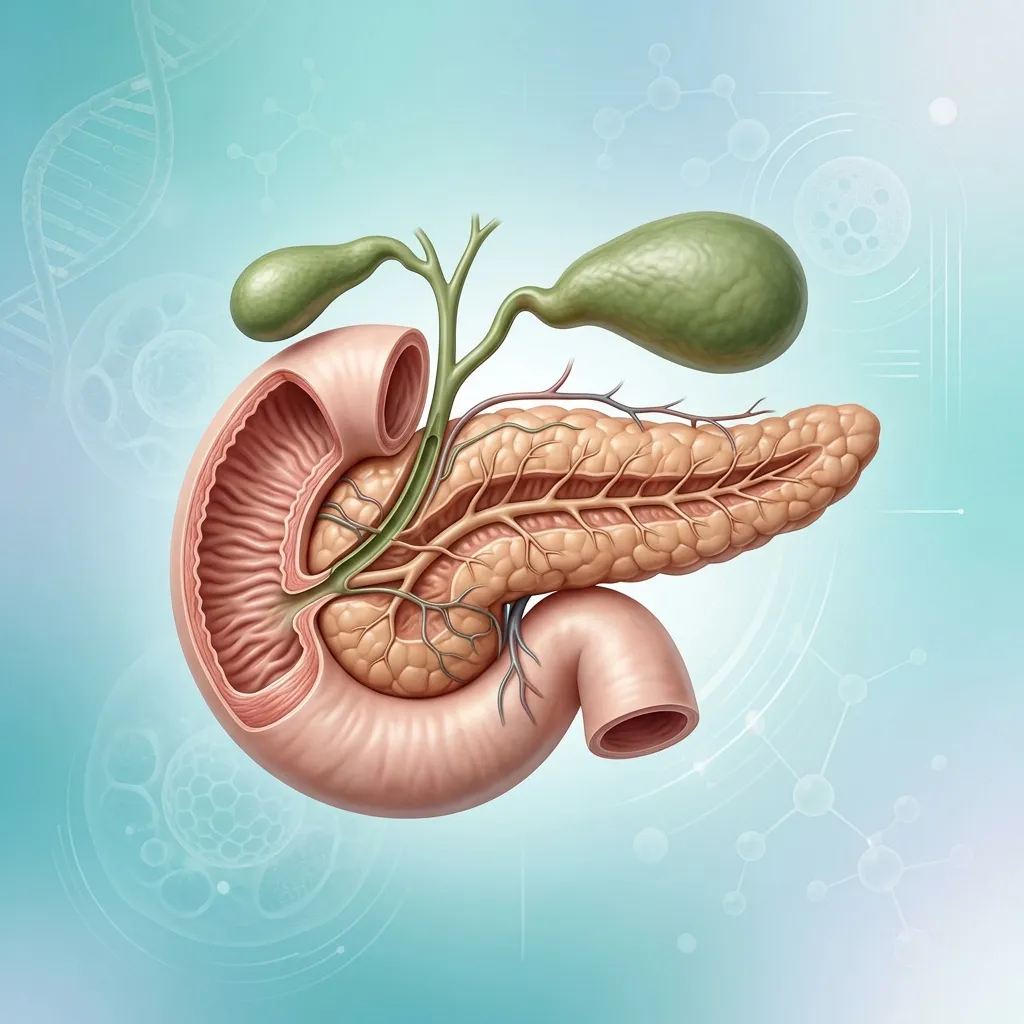
Everything You Need to Know About Pancreatitis
Learn about pancreatitis symptoms, causes, stages, and treatments. Discover advanced endoscopic management options from a pancreatic disease specialist in Tumakuru.
Read Article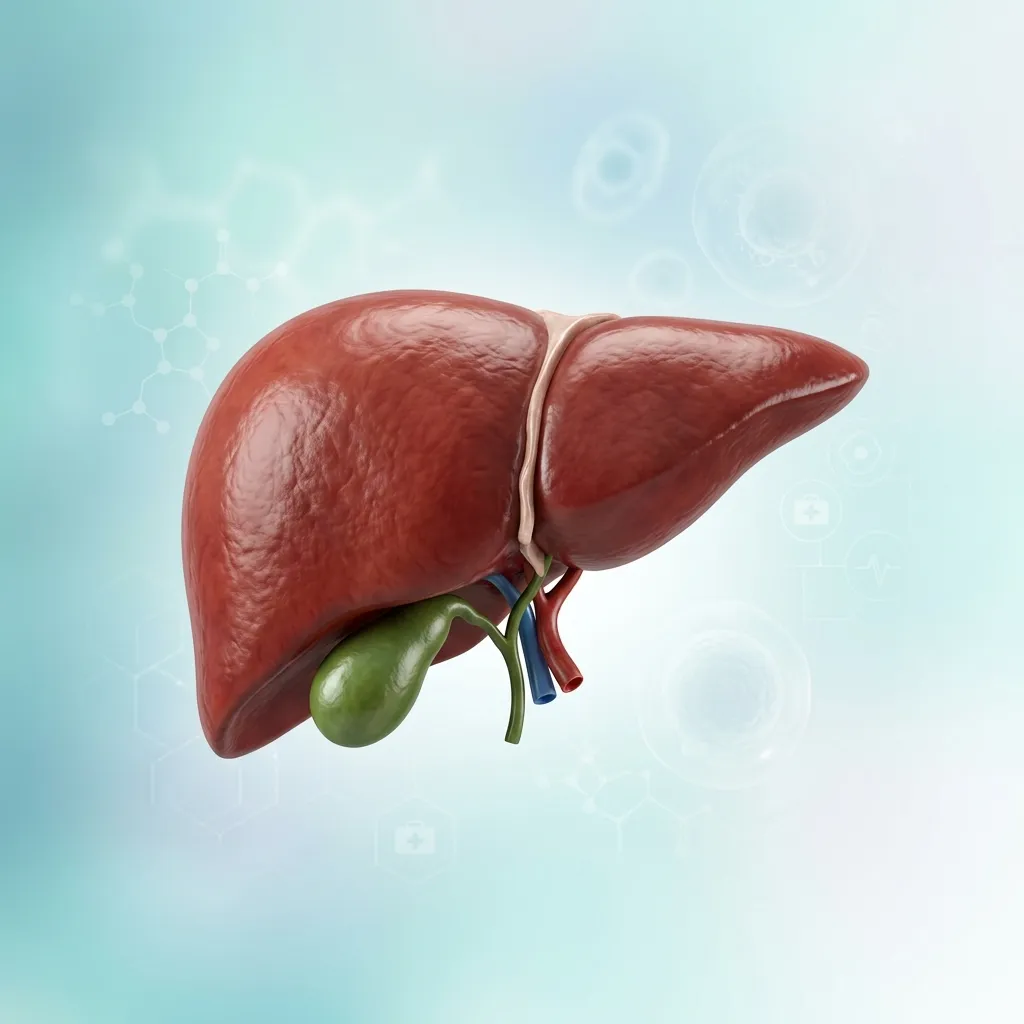
Fatty Liver Disease: Can It Be Reversed?
Discover the medical science behind reversing fatty liver, the stages of liver damage, and practical, evidence-based lifestyle changes to restore your liver health.
Read Article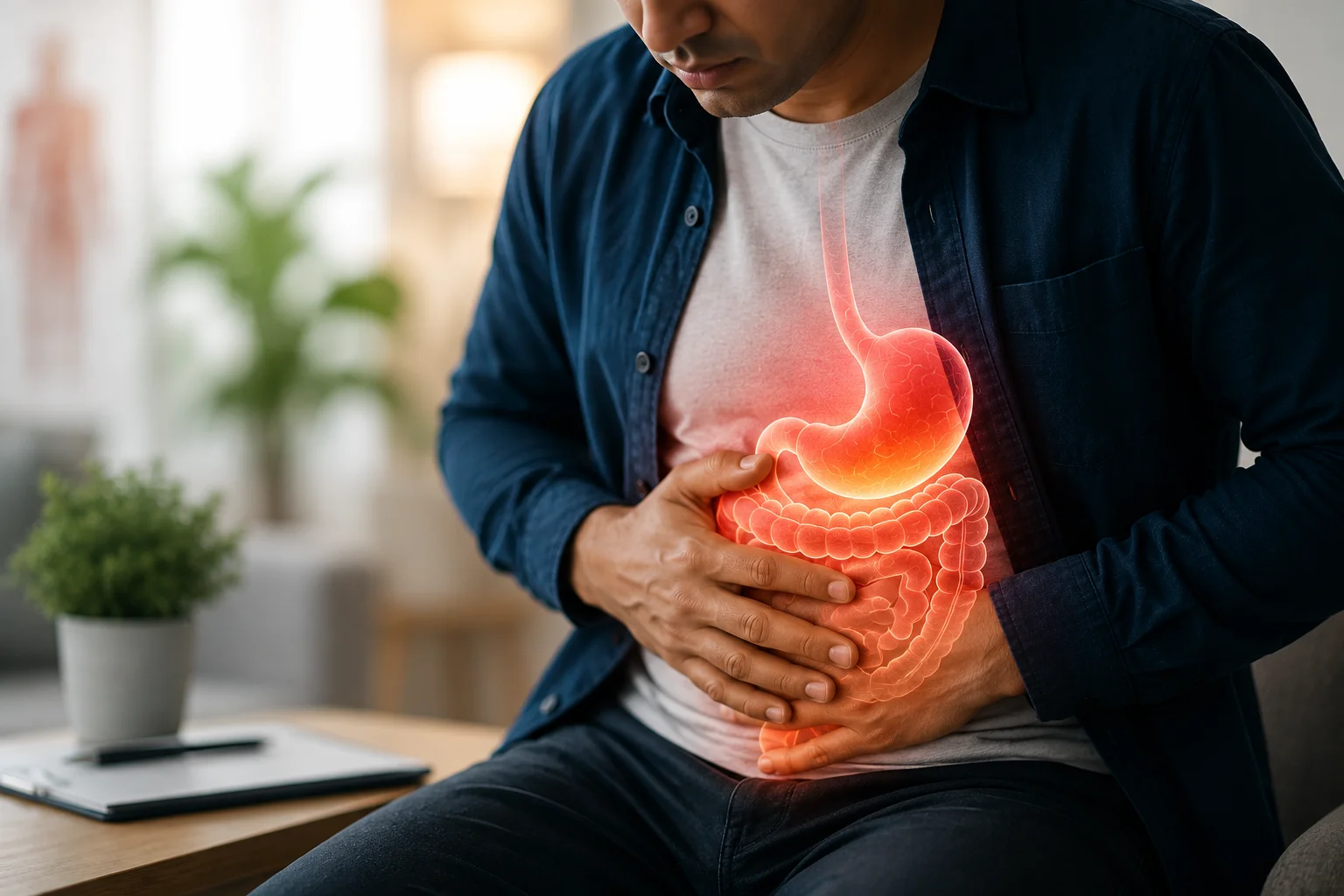
10 Warning Signs You Should See a Gastroenterologist
Learn the common digestive symptoms that deserve medical attention and why early evaluation can help prevent complications.
Read Article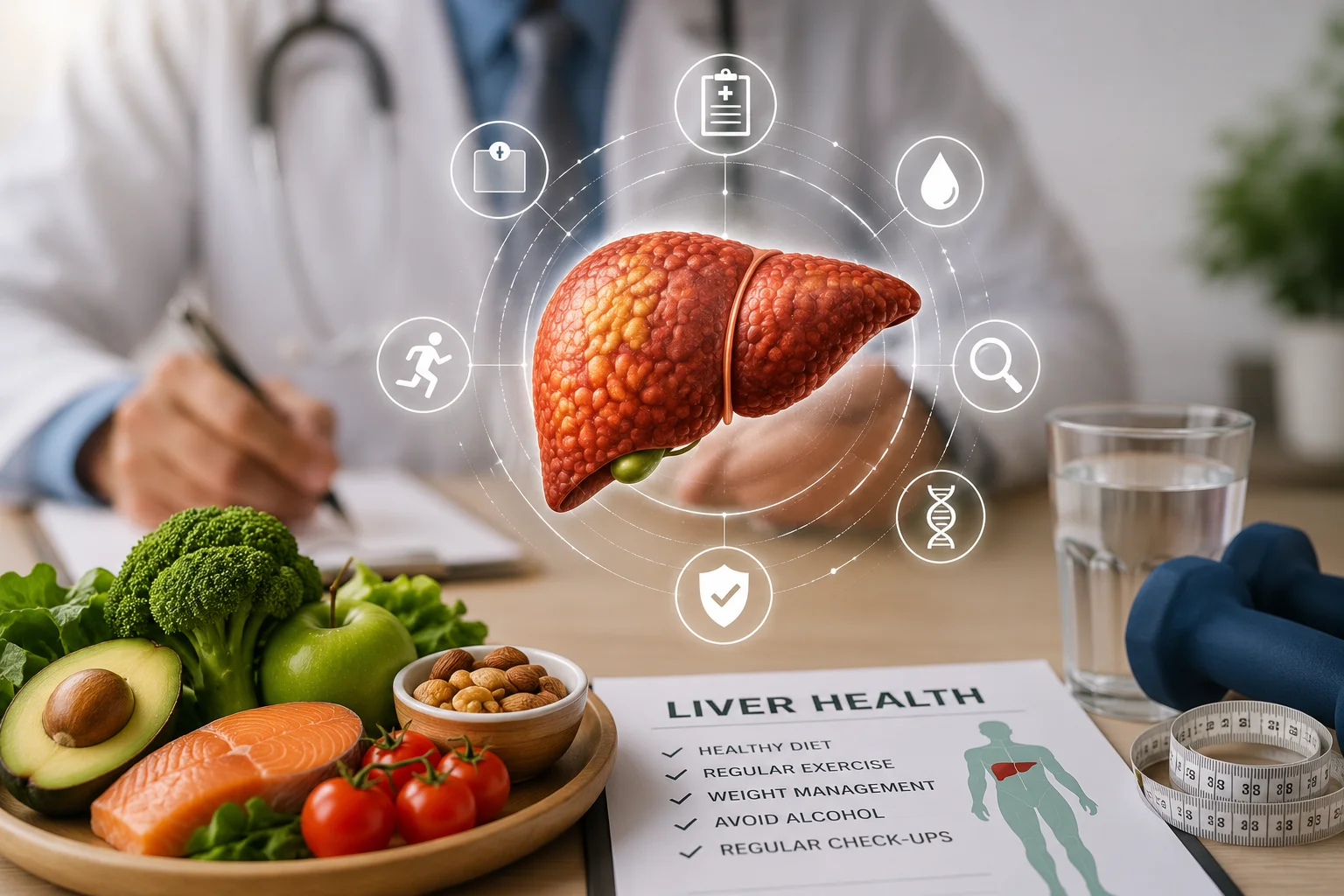
Understanding Fatty Liver Disease: Causes, Symptoms, Diagnosis & Treatment
Get a clear overview of fatty liver disease, warning signs, diagnostic tests, and practical treatment and lifestyle strategies.
Read Article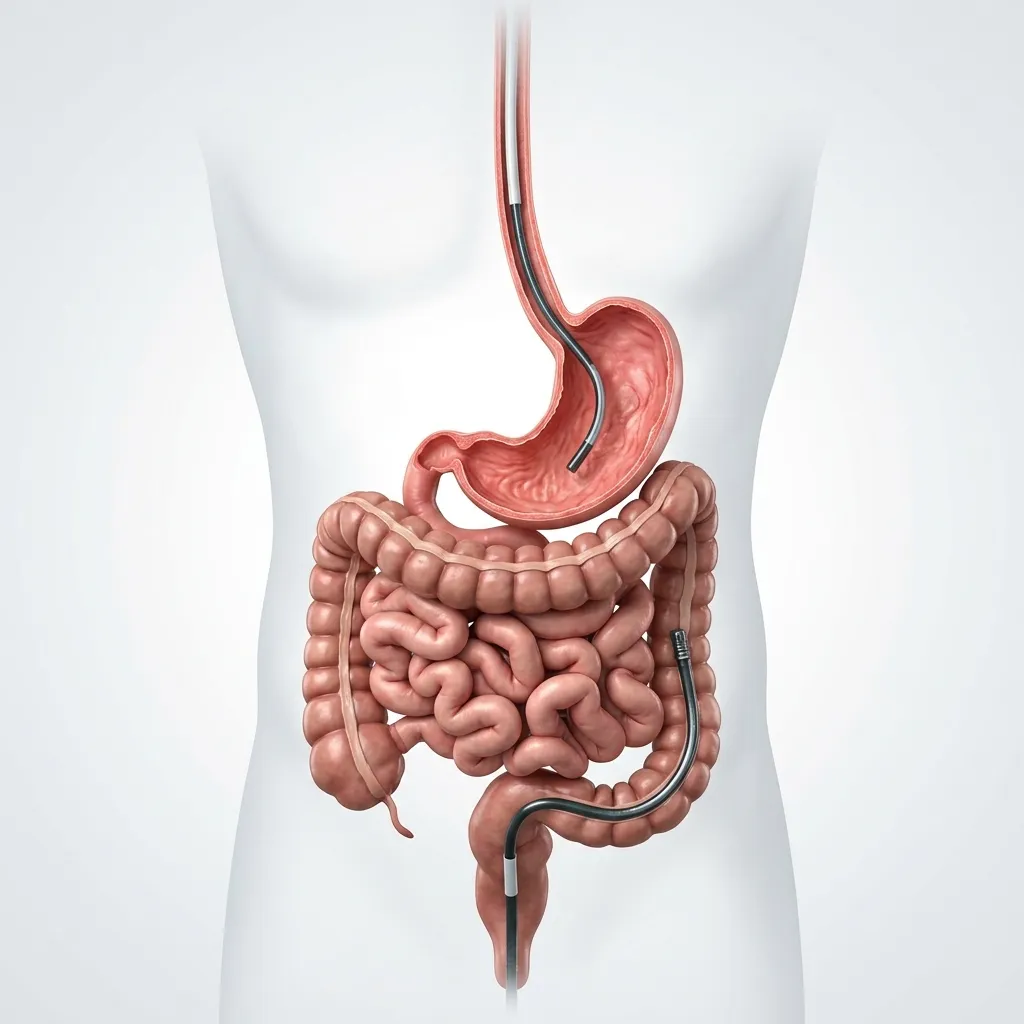
Endoscopy vs Colonoscopy: What's the Difference?
Understand the key differences between these two common procedures, their diagnostic purposes, preparation steps, and what to expect.
Read Article