
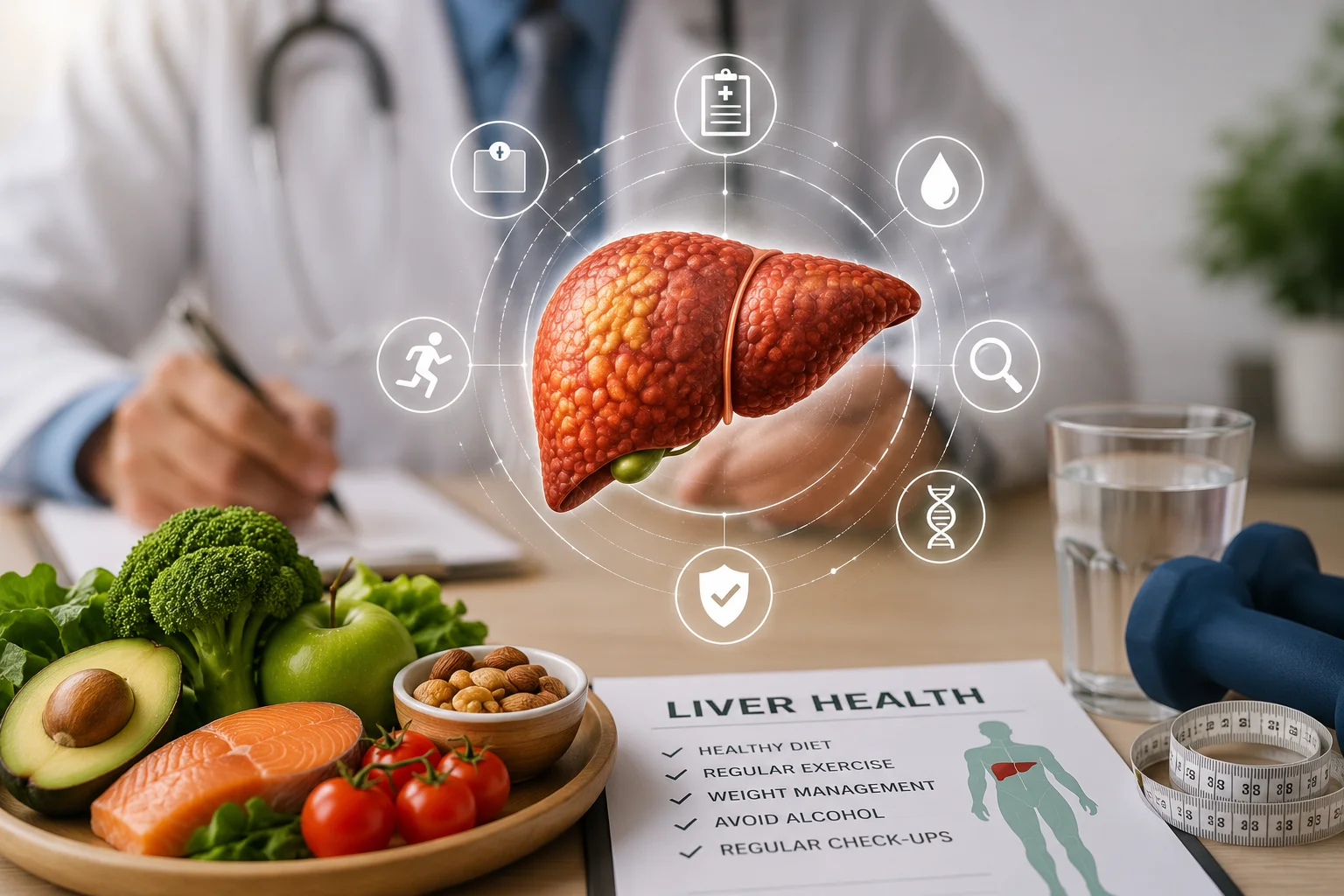
Why this matters: Fatty liver disease, also called hepatic steatosis, occurs when excess fat builds up in liver cells. It is now one of the most common liver conditions worldwide, including in India, and it can affect people who do not drink alcohol as well as those who do.
The good news is that in many patients, fatty liver disease can be reversed if it is recognized early and managed carefully. Weight loss, improved diet, exercise, and treatment of conditions such as diabetes and high cholesterol play an important role.
What is fatty liver disease?
The liver performs many vital jobs, including filtering toxins, producing proteins, helping digest fats, and regulating blood sugar. When too much fat is stored inside liver cells, the liver may gradually struggle to function normally.
Fatty liver disease is usually classified as non-alcoholic fatty liver disease (NAFLD) or alcohol-related fatty liver disease. NAFLD is the more common form and is strongly connected with obesity, insulin resistance, diabetes, and cholesterol problems.
Common causes and risk factors
The condition may develop due to several factors, including obesity, type 2 diabetes, high triglycerides, high blood pressure, a sedentary lifestyle, poor diet, metabolic syndrome, polycystic ovary syndrome, certain medications, or rapid weight gain and loss. In many patients, more than one risk factor is present at the same time.
Symptoms of fatty liver disease
Fatty liver often causes no obvious symptoms in the early stages. Some patients may notice fatigue, mild right upper abdominal discomfort, a feeling of fullness, or low energy. As the disease progresses, symptoms may include jaundice, swelling of the legs, abdominal swelling, easy bruising, and confusion in advanced disease.
How it is diagnosed
A gastroenterologist usually begins with a clinical history, physical examination, and blood tests such as liver function tests, blood sugar, HbA1c, and lipid profile. Ultrasound of the abdomen is commonly used to detect fat in the liver, while FibroScan may be recommended to understand whether there is scarring or stiffness.
In selected cases, CT scan, MRI, or liver biopsy may be used to provide more detailed information about inflammation and fibrosis.
Treatment and recovery
Treatment focuses on the underlying cause and on protecting the liver from further damage. The most important steps usually include losing excess weight, following a balanced diet, increasing physical activity, controlling diabetes and cholesterol, avoiding alcohol, and managing sleep and stress.
There is no single medicine that cures fatty liver disease, but medications may be recommended to treat related conditions such as diabetes, high cholesterol, or liver inflammation. Treatment is individualized for each patient.
Foods that help
A liver-friendly diet usually includes green leafy vegetables, fresh fruits, whole grains, oats, brown rice, lentils, fish, lean protein, nuts, and healthy fats such as olive oil. It is also helpful to limit sugary drinks, fried foods, refined carbohydrates, processed foods, and alcohol.
When to consult a gastroenterologist
You should consider medical evaluation if you have abnormal liver tests, diabetes or obesity, persistent fatigue, upper abdominal discomfort, or an ultrasound report showing fatty liver. Early consultation can help prevent progression to fibrosis or cirrhosis.
If you are looking for fatty liver treatment in Tumakuru, a specialist can guide you with the right tests, lifestyle recommendations, and monitoring plan based on your symptoms and medical history.