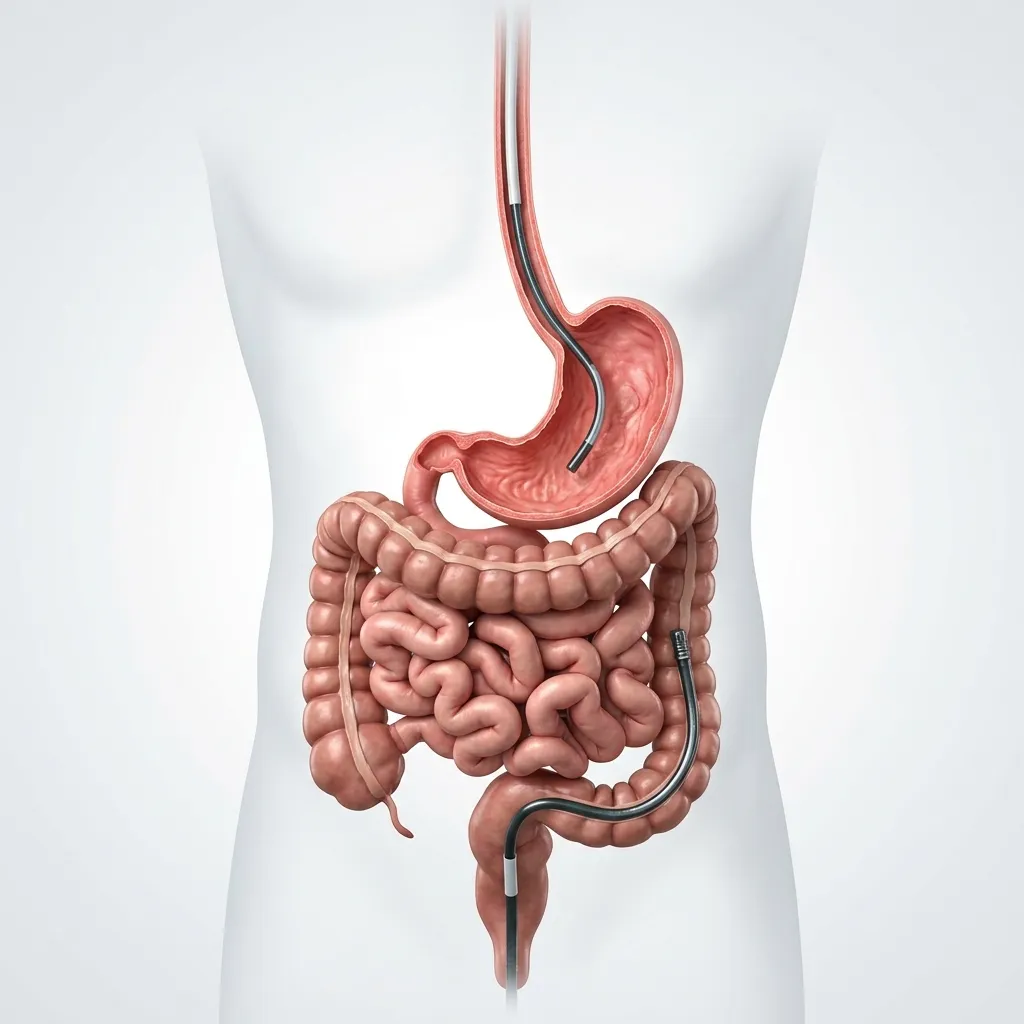
Diagnostic procedures like endoscopy and colonoscopy are invaluable in the field of modern digestive medicine. However, many patients often confuse the two or feel anxious about what they entail. In simple terms, both procedures involve using a thin, flexible tube equipped with a high-definition camera (an endoscope) to inspect the lining of your digestive tract. The fundamental difference lies in the point of entry and the sections of the digestive system being evaluated.
Whether you are seeking an endoscopy in Tumakuru for chronic acidity or considering a colonoscopy in Tumakuru for cancer screening, understanding the medical rationale, preparation requirements, and recovery expectations of these procedures will help you navigate your care with confidence.
What is an Upper GI Endoscopy?
An Upper GI Endoscopy (medically termed an esophagogastroduodenoscopy or EGD) is a diagnostic endoscopy procedure used to visualize the upper part of the gastrointestinal tract. This includes the esophagus (food pipe), the stomach, and the duodenum (the first section of the small intestine).
How the Procedure Works: The patient lies on their left side, usually under mild conscious sedation or local anaesthetic spray applied to the throat to minimize discomfort. A highly experienced gastroenterologist in Tumakuru gently inserts a thin, flexible endoscope through the mouth. The camera transmits real-time high-definition video to a monitor, allowing the doctor to inspect the tissue lining, take tiny tissue samples (biopsies) for laboratory testing, or perform therapeutic interventions if bleeding or blockages are found.
Duration: An upper GI endoscopy is surprisingly fast, typically lasting only 10 to 15 minutes.
Common conditions diagnosed via Endoscopy include:
- Acid Reflux (GERD): Inflammation or injury in the esophagus caused by backflowing stomach acid.
- Gastritis: Chronic or acute inflammation of the stomach lining.
- Stomach & Duodenal Ulcers: Open sores that develop on the inner lining of the upper gut.
- Difficulty Swallowing (Dysphagia): Investigating strictures, esophageal webs, or motility issues.
- Upper GI Bleeding: Identifying source locations of blood loss in the esophagus or stomach.
- Stomach Cancer Screening: Detecting early abnormal growths or cellular changes.
What is a Colonoscopy?
A colonoscopy is a specialised procedure designed to examine the entire length of the large intestine (colon) and the rectum. It is the gold standard method for colon cancer screening and identifying inflammatory diseases of the lower gut.
How the Procedure Works: A longer, flexible tube called a colonoscope is gently guided through the rectum and advanced throughout the colon. The colonoscope is equipped with a camera, a lightsource, and channels for special instruments. To ensure absolute patient comfort, this procedure is almost always performed under light sedation. As the scope is slowly withdrawn, the specialist carefully inspects the bowel wall for inflammation, ulcers, bleeding, or small growths called polyps.
Duration: A typical colonoscopy is completed within 20 to 30 minutes, though it may take slightly longer if polyps are removed (polypectomy).
Common conditions diagnosed via Colonoscopy include:
- Colon Polyps: Small growths on the colon lining that can potentially develop into cancer over time if left untreated.
- Colon Cancer: Detecting malignant lesions at an early, highly treatable stage.
- Inflammatory Bowel Disease (IBD): Diagnosing chronic conditions such as Ulcerative Colitis and Crohn's Disease.
- Chronic Diarrhoea: Assessing for microscopic colitis or infectious diseases of the large bowel.
- Rectal Bleeding: Investigating sources of blood in the stool, such as haemorrhoids, diverticulosis, or inflammation.
Endoscopy vs Colonoscopy: Comparison Table
To help you visualize the core differences between these two vital procedures, here is a breakdown side-by-side:
| Parameter | Upper GI Endoscopy | Colonoscopy |
|---|---|---|
| Area Examined | Esophagus, stomach, and duodenum (Upper GI) | Entire colon (large intestine) and rectum (Lower GI) |
| Instrument Used | Thin, highly flexible endoscope (~9mm diameter) | Longer, flexible colonoscope (~12mm diameter) |
| Symptoms Investigated | Persistent heartburn, difficulty swallowing, vomiting blood, upper gut pain | Blood in stool, chronic diarrhoea, change in bowel habits, weight loss |
| Preparation Required | Fasting (nil by mouth) for 6 to 8 hours prior | Full bowel preparation (laxatives) and liquid diet for 24 hours |
| Sedation Needs | Often local throat spray; optional light conscious sedation | Almost always performed under light conscious sedation |
| Procedure Duration | 10 to 15 minutes | 20 to 30 minutes |
| Recovery Time | Typically 30 to 60 minutes after procedure | 1 to 2 hours (requires someone to drive you home) |
When Do You Need an Endoscopy?
Dr. Balakrishna, an experienced GI specialist in Tumakuru, generally recommends an upper GI endoscopy when patients present with persistent symptoms that originate in the upper gut.
Do not ignore these symptoms if they persist for more than a couple of weeks:
- Persistent Acidity and Heartburn: Especially if it does not respond to standard over-the-counter antacids.
- Difficulty Swallowing (Dysphagia): Feeling like food is sticking in your chest.
- Unexplained Upper Abdominal Pain: A burning sensation or discomfort below your ribcage.
- Persistent Vomiting or Vomiting Blood: Signifies an irritation or bleeding ulcer in the upper GI tract.
- Unexplained Weight Loss: Sudden, unintended weight loss accompanied by a loss of appetite.
When Do You Need a Colonoscopy?
A colonoscopy is typically ordered to investigate lower gastrointestinal tract issues or as part of a routine preventative healthcare screening protocol.
Common clinical indicators for a colonoscopy include:
- Blood in Stool or Rectal Bleeding: Bright red or dark blood in your stool should always be clinically investigated.
- Chronic Diarrhoea or Persistent Constipation: Any prolonged unexplained change in your bowel habits.
- Colon Cancer Screening: Recommended for healthy adults starting at age 45, or earlier if you have a family history.
- Unexplained Iron Deficiency Anaemia: Low red blood cell count caused by slow, invisible bleeding in the colon.
- Family History: Having a close relative diagnosed with colon cancer or bowel disease increases your personal risk.
Are Endoscopy and Colonoscopy Painful?
One of the primary reasons patients delay booking these crucial diagnostic procedures is fear of discomfort or pain. However, modern medical advancements have made both processes highly tolerable and virtually pain-free.
Sedation and Comfort: For an endoscopy, a local numbing spray is applied to the throat to suppress the gag reflex. Many patients choose to receive a light intravenous sedative, which induces a relaxed, sleepy state. For a colonoscopy, sedation is standard practice. You will be asleep during the procedure and will wake up shortly after it is completed, often with no memory of the event.
Post-Procedure Recovery: You might experience a mild sore throat after an endoscopy, or a feeling of mild bloating/gas after a colonoscopy because air is introduced during the scope. These sensations are completely normal and typically resolve within a few hours.
How Should You Prepare for These Procedures?
Proper preparation is essential for a successful procedure. It ensures a clear view for the doctor and prevents the need to reschedule.
Upper GI Endoscopy Preparation
- Fasting: You must fast (no food or liquids, including water) for 6 to 8 hours prior to your appointment to ensure your stomach is completely empty.
- Medication Guidance: Inform Dr. Balakrishna about all medications you take, particularly blood thinners, insulin, or blood pressure medicines. Some may need to be adjusted temporarily.
Colonoscopy Preparation
- Dietary Restrictions: Eat a low-fibre diet for 2 to 3 days before the procedure, and consume only clear liquids (broth, water, clear juices) on the day before the test.
- Bowel Prep: You will need to take a prescribed laxative solution the evening before or morning of your procedure. This clears the colon completely so the lining can be fully visualized.
- Medications & Post-Op Support: Plan for a family member or friend to accompany you, as you cannot drive yourself home after receiving sedation.
Why Early Diagnosis is Vital for Digestive Health
Undergoing a timely diagnostic endoscopy or colonoscopy does more than identify the cause of your discomfort; it can be life-saving.
- Preventing Colon Cancer: During a colonoscopy, precancerous polyps can be identified and safely removed during the procedure itself, effectively preventing cancer before it even starts.
- Targeted Treatment: Getting an accurate diagnosis allows you to stop guessing about your symptoms and start a targeted, evidence-based treatment plan.
- Avoiding Complications: Finding and treating conditions like bleeding ulcers, chronic gastritis, or active Crohn's disease early protects your gut from permanent scarring and other serious complications.
Frequently Asked Questions
No, an endoscopy is not painful. A local anaesthetic spray is used to numb the throat, and mild sedation is typically administered to keep you completely relaxed and sleepy during the 10-minute procedure.
A colonoscopy is performed under light sedation, meaning you will not feel any pain. You will be comfortably asleep during the test and will awake shortly after it is completed, often with minimal to no memory of the procedure.
An upper GI endoscopy usually takes about 10 to 15 minutes. A colonoscopy takes approximately 20 to 30 minutes. You should plan for a total stay of about 2 to 3 hours at the clinic to allow time for preparation and recovery.
Yes, both procedures are performed on an outpatient basis, meaning you can return home the same day. However, if you received sedation, you will need a friend or family member to drive you home.
Sedation is optional for an upper GI endoscopy but highly recommended. It is standard for a colonoscopy to ensure maximum comfort and safety throughout the examination.
For individuals at average risk, colon cancer screening is recommended starting at age 45. If no issues are found during your initial colonoscopy, the procedure only needs to be repeated once every 10 years.
Avoid high-fibre foods like seeds, nuts, whole grains, raw vegetables, and fruits for 2 to 3 days before the test. On the day before your procedure, you must avoid solid foods entirely and consume only clear liquids.
Yes, both upper GI endoscopy and colonoscopy are highly effective at detecting cancer in its early stages. They allow the specialist to visually identify abnormal tissues and obtain biopsies for definitive laboratory analysis.
Schedule Your Consultation with a Specialist
Whether you are seeking diagnostic clarity for persistent stomach symptoms or due for a preventative screening, choosing the right specialist is critical. Dr. Balakrishna provides personalized care using state-of-the-art diagnostic tools at Siddaganga Hospital, Tumakuru.