
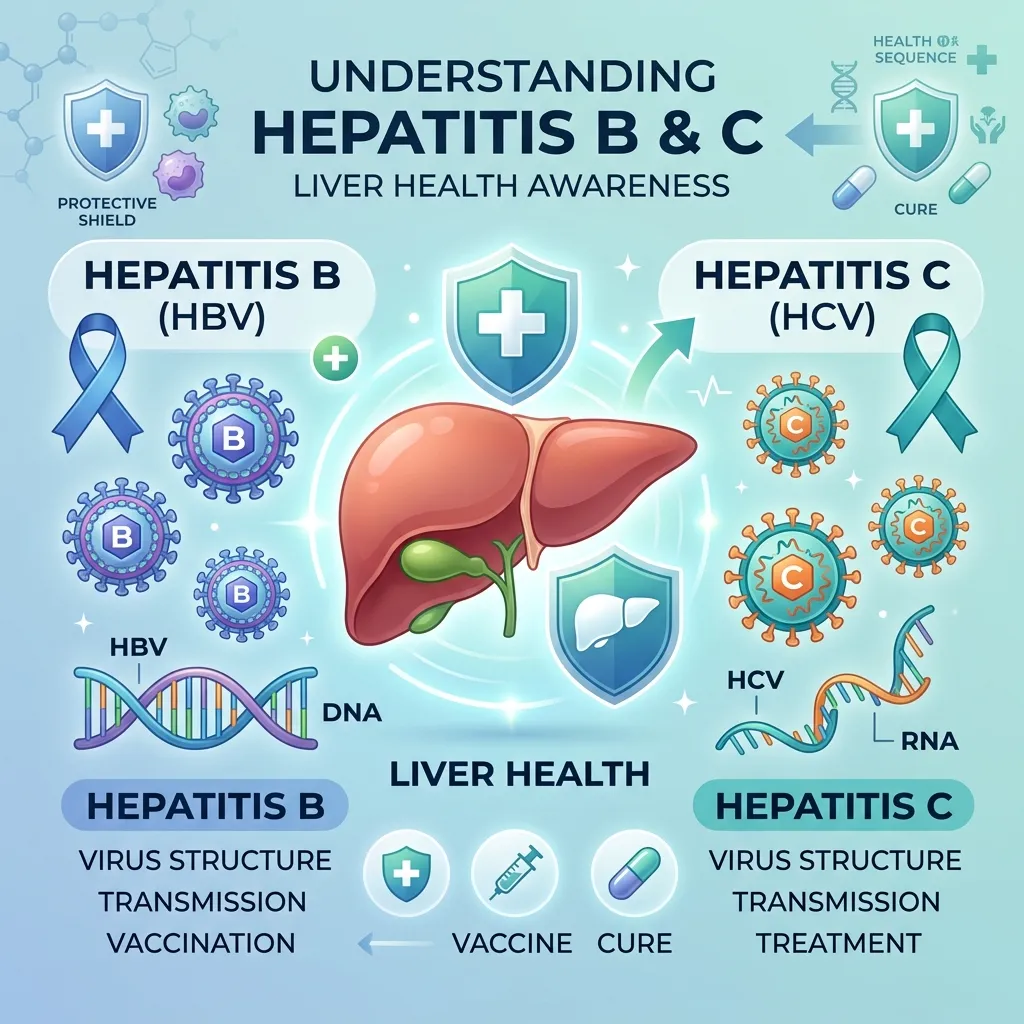
Most People Feel Healthy… Until It’s Too Late. Imagine having a serious disease for 10 to 20 years without any symptoms. That is exactly what can happen with Hepatitis B and Hepatitis C.
These viruses silently damage the liver over many years. By the time noticeable symptoms appear, significant liver damage may have already occurred. The good news is that early testing can save your liver—and your life.
What Is Hepatitis?
"Hepatitis" simply means inflammation of the liver. The liver is one of the most vital organs in the human body. Every single day, it performs essential life-sustaining functions, including:
- Removing toxins from the blood
- Digesting food and processing nutrients
- Storing energy for daily activities
- Producing vital proteins needed for blood clotting and immunity
- Fighting off infections and harmful agents
When the liver becomes inflamed for a prolonged period, it can develop permanent scarring known as cirrhosis, and in some individuals, it may eventually lead to liver cancer.
What Are Hepatitis B and Hepatitis C?
Hepatitis B (HBV) and Hepatitis C (HCV) are viral infections that specifically attack liver cells. Both infections can become chronic, meaning the virus remains inside the body for years or even decades.
Unlike a common fever, cold, or sudden infection, these viral infections often cause no early warning signs. This complete absence of symptoms is why medical experts worldwide refer to them as "silent infections."
How Do These Viruses Spread?
Both Hepatitis B and Hepatitis C spread primarily through contact with infected blood and certain body fluids.
Common transmission pathways include:
How They Do NOT Spread
Many people wrongly avoid or isolate individuals living with viral hepatitis due to unnecessary fear and misinformation. It is crucial to understand that Hepatitis B and C do NOT spread by:
People living with hepatitis deserve compassion—not discrimination.
What Are the Symptoms?
Most people have no symptoms for many years while the virus quietly multiplies. When symptoms finally occur, they may include:
- Extreme tiredness and chronic fatigue
- Loss of appetite
- Nausea or vomiting
- Yellowing of eyes or skin (jaundice)
- Dark-colored urine
- Pain or heaviness in the right upper abdomen
- Swelling of the abdomen or legs (sign of advanced liver disease)
- Vomiting blood or passing black stools (advanced cirrhosis warning sign)
Do not wait for symptoms before getting tested!
Who Should Get Tested?
Screening is simple and effective. You should strongly consider getting tested if you:
- Received blood transfusions many years ago
- Have a family member diagnosed with Hepatitis B
- Are a healthcare worker or exposed to medical procedures
- Undergo regular kidney dialysis
- Have multiple sexual partners
- Have ever injected drugs
- Have unexplained liver disease or elevated liver enzymes (LFT)
- Are pregnant (Hepatitis B screening is vital for newborn safety)
- Are planning surgery or cancer treatments
Even healthy-looking people can carry viral hepatitis.
Why Is Early Detection So Important?
If hepatitis is detected early through a blood test, doctors can:
- Prevent progressive liver damage before irreversible scarring occurs
- Monitor liver health regularly using advanced diagnostics
- Start effective viral treatment when clinically needed
- Significantly reduce the risk of liver cancer
- Prevent accidental transmission to family members and loved ones
Early diagnosis saves lives.
Can Hepatitis B and C Be Treated?
Hepatitis B
There is currently no complete cure for Hepatitis B. However, modern antiviral medicines can:
- Effectively control and suppress the virus
- Protect the liver cells from damage
- Reduce the risk of developing cirrhosis
- Significantly lower the long-term risk of liver cancer
Many patients live long, completely healthy lives with proper treatment and regular medical follow-up.
Hepatitis C — A Modern Medical Success Story
This is one of the greatest achievements in modern medicine. Today, more than 95% to 99% of Hepatitis C patients can be completely cured with oral tablets (Direct-Acting Antivirals) taken for about 3 to 6 months.
The earlier Hepatitis C is diagnosed, the better the final health outcome.
Can Hepatitis Be Prevented?
Absolutely. Prevention is practical and accessible.
Hepatitis B Prevention:
The Hepatitis B vaccine is safe, highly effective, and one of the best ways to prevent infection. Vaccination is recommended for:
- All newborn babies
- Healthcare workers
- Family members of infected patients (only if they test negative for Hepatitis B)
- HIV positive individuals
- Patients with cirrhosis or chronic kidney failure
- Anyone who wishes to get vaccinated
*Note: Hepatitis B blood testing is mandatory before receiving the vaccine.
Hepatitis C Prevention:
There is currently no vaccine for Hepatitis C. Prevention relies on strict blood safety practices:
- Using safe, sterile injections
- Ensuring sterilized medical and dental equipment
- Receiving screened, safe blood transfusions
- Avoiding shared needles or syringes
- Practicing safe tattooing and body piercing
How Can You Protect Your Family?
If someone in your immediate family has been diagnosed with Hepatitis B:
- Get all family members tested promptly.
- Vaccinate family members who test negative and are not protected.
- Do not share personal items like razors, nail cutters, or toothbrushes.
- Ensure regular medical follow-up with a liver specialist.
Living with Hepatitis B does NOT mean you need to isolate yourself from your family.
Common Myths & Facts
When Should You See a Hepatologist?
You should consult a liver specialist (hepatologist) if:
- Your viral hepatitis blood test is positive
- Your liver enzymes (SGOT/SGPT) are persistently elevated
- You have fatty liver with abnormal liver function test results
- You experience jaundice (yellowing of eyes or skin)
- Someone in your immediate family has Hepatitis B
- You have been diagnosed with cirrhosis or chronic liver disease
Early clinical evaluation can prevent serious complications down the road.
Frequently Asked Questions
Currently, there is no complete cure for Hepatitis B. However, modern antiviral medications can suppress the virus, protect liver cells, prevent progression to cirrhosis, and significantly reduce the risk of liver cancer.
Yes! Hepatitis C cure is one of the greatest medical success stories. Over 95% to 99% of patients with Hepatitis C can be completely cured with oral antiviral medications taken for 3 to 6 months.
They spread primarily through infected blood and body fluids, including mother-to-child transmission during childbirth, sharing needles, unsterile medical/tattoo equipment, or unprotected sexual contact.
No. Hepatitis B and C do NOT spread through hugging, handshakes, sharing food or drinking water, coughing, sneezing, sitting together, or mosquito bites.
There is a safe and effective vaccine for Hepatitis B, recommended for newborns, healthcare workers, and individuals at risk. Currently, there is no vaccine available for Hepatitis C, so prevention relies on blood safety and sterile practices.
The Take-Home Message
Hepatitis B and Hepatitis C are often silent but potentially deadly infections. The biggest mistake people make is waiting until symptoms appear.
A simple blood test can detect these infections long before they cause permanent liver damage. Remember these three important facts:
- Get tested if you are at risk.
- Hepatitis B can be prevented with vaccination.
- Hepatitis C can be cured in most patients with modern medicines.
Your liver works hard every day to keep you healthy. Take care of it—because a healthy liver means a healthier life.
About the Author
Dr. Bala Krishna A is a Consultant Gastroenterologist and Hepatologist with a special interest in liver diseases, advanced endoscopy, ERCP, and pancreaticobiliary disorders. He is passionate about educating the community through evidence-based, easy-to-understand health information and believes that early awareness can prevent many serious liver diseases.