
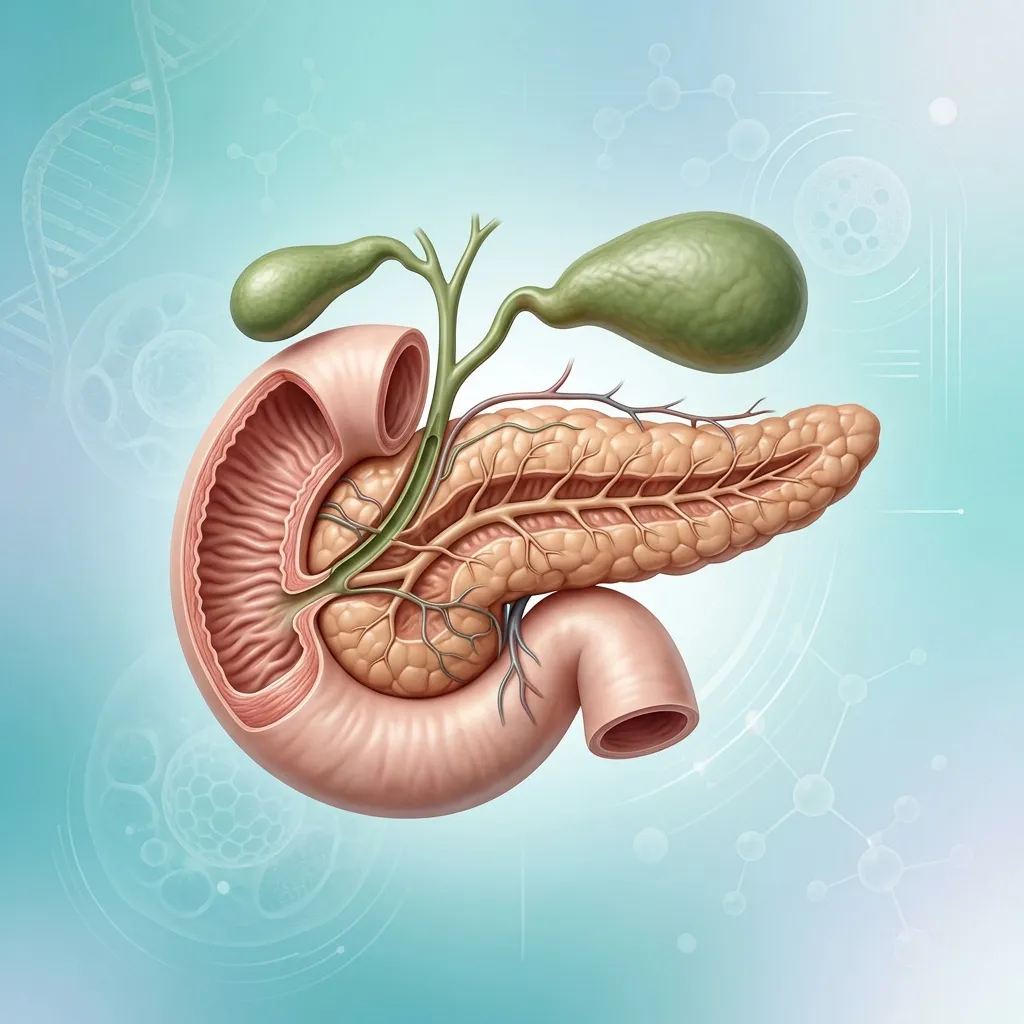
Tucked deep within the upper abdomen behind the stomach lies the pancreas—a small, leaf-shaped organ that plays a colossal role in keeping your body functional. It serves a double role: acting as an exocrine gland to produce vital digestive enzymes (like amylase, lipase, and protease) that break down fats and proteins, and an endocrine gland to secrete hormones (like insulin and glucagon) that regulate your blood sugar levels.
When this hard-working organ becomes inflamed, it is diagnosed as pancreatitis. Pancreatitis is a complex condition that requires expert assessment from a qualified digestive specialist in Tumakuru. Early diagnosis is highly critical; understanding the causes, warning symptoms, and options for advanced pancreatitis treatment in Tumakuru can prevent serious long-term complications, such as permanent organ damage or diabetes.
What is Pancreatitis?
In simple terms, pancreatitis is the inflammation of the pancreas. Under normal conditions, the digestive enzymes produced by the pancreas remain inactive until they travel through the pancreatic duct and enter the small intestine (duodenum).
However, in pancreatitis, these powerful enzymes become prematurely active while they are still inside the pancreas itself. Instead of digesting food in the intestine, they begin to digest the pancreatic tissue. This process, known as autodigestion, triggers acute irritation, swelling, tissue damage, and inflammation. This can quickly disrupt digestion, leading to malnutrition, malabsorption of nutrients, and severe abdominal distress.
Acute vs. Chronic Pancreatitis
Pancreatitis is medically classified into two primary forms, which differ significantly in their timeline, progression, and treatment approaches:
1. Acute Pancreatitis: This is a sudden, short-term inflammatory attack. It comes on rapidly and causes severe discomfort in the upper abdomen. With prompt hospital care, most patients recover completely within a few days as the inflammation resolves. However, severe cases can lead to serious systemic complications, fluid collections, or tissue death (necrosis).
2. Chronic Pancreatitis: This is a persistent, long-term, progressive inflammatory condition. Over years, repeated sub-clinical or clinical inflammatory episodes lead to irreversible damage, scarring (fibrosis), and calcification of the pancreas. As healthy pancreatic tissue is replaced by scar tissue, the organ slowly loses its ability to produce digestive enzymes and insulin, leading to chronic pain, oily stools, and diabetes.
What Causes Pancreatitis?
A variety of factors can trigger the premature activation of pancreatic enzymes. The most common causes include:
- Gallstones: The leading cause of acute attacks. Gallstones can escape the gallbladder and block the shared opening (ampulla of Vater) where the bile and pancreatic ducts drain into the intestine, backing up pancreatic secretions.
- Alcohol Consumption: Frequent and excessive alcohol intake is the primary driver of chronic pancreatitis, causing direct cellular toxicity.
- High Triglycerides: Severe elevations in blood fat levels (hypertriglyceridemia) can lead to toxic free fatty acid buildup in the pancreas.
- Certain Medications: Some drugs, including specific antibiotics, diuretics, and immunosuppressants, can trigger pancreatic irritation.
- Pancreatic Duct Blockage: Narrowing (strictures), tumors, or structural anomalies in the pancreatic duct can obstruct the flow of enzymes.
- Autoimmune Pancreatitis: A specialized condition where the body’s immune system mistakenly attacks pancreatic tissue.
- Genetic Causes: Hereditary gene mutations (such as in the PRSS1, SPINK1, or CFTR genes) predispose some families to early-onset pancreatitis.
- Infections: Viral infections (like mumps, Coxsackie virus, or hepatitis) can occasionally target the pancreas.
- Idiopathic Pancreatitis: In up to 20% of cases, no clear cause can be identified even after extensive testing.
Recognizing the Symptoms of Pancreatitis
The presentation of symptoms depends on whether the condition is acute or chronic:
Acute Pancreatitis Symptoms:
- Severe Upper Abdominal Pain: A sudden, intense, boring pain in the center of the upper abdomen.
- Radiation of Pain: The pain commonly cuts straight through or radiates to the back.
- Nausea and Vomiting: Often persistent, and unable to keep liquids down.
- Fever and Rapid Pulse: Signifying systemic inflammation.
- Abdominal Bloating and Tenderness: The stomach feels swollen and is extremely painful to the touch.
Chronic Pancreatitis Symptoms:
- Chronic or Recurrent Abdominal Pain: Dull, persistent upper abdominal pain that may worsen after meals.
- Unexplained Weight Loss: Even when eating normal amounts of food, due to poor digestion.
- Oily, Smelly Stools (Steatorrhea): Bulky, greasy stools that float, caused by the lack of lipase enzymes to digest dietary fats.
- Indigestion and Chronic Bloating: Frequent gas, discomfort, and nausea.
Red Flag Symptoms: Seek Immediate Care
Pancreatitis can escalate rapidly. If you or a family member experience any of the following emergency symptoms, head to an emergency room immediately:
How Is Pancreatitis Diagnosed?
A prompt and accurate diagnostic workup is critical. A qualified gastroenterologist in Tumakuru will order the following tests:
- Blood Tests (Amylase & Lipase): During an acute attack, levels of these pancreatic digestive enzymes in the blood typically shoot up to at least three times the normal limit.
- Abdominal Ultrasound: A quick, non-invasive scan that checks for gallstones or swelling in the pancreas.
- Contrast-Enhanced CT Scan: The gold standard for assessing the severity of acute pancreatitis, identifying areas of tissue damage (necrosis), and detecting fluid accumulations.
- MRI / MRCP: Magnetic Resonance Cholangiopancreatography provides detailed, non-invasive imaging of the gallbladder, bile ducts, and pancreatic duct.
- Endoscopic Ultrasound (EUS): An advanced diagnostic procedure combining endoscopy and ultrasound. A specialized scope is passed down the esophagus to obtain extremely high-resolution images of the pancreas, helping identify micro-gallstones, early chronic pancreatitis, and small tumors.
Treatment for Acute Pancreatitis
Treatment for acute pancreatitis almost always requires **hospital admission** to support the body while the pancreas heals. Key pillars of management include:
Intravenous (IV) Fluids: Large volumes of IV fluids are given to maintain blood flow to the pancreas, prevent dehydration, and support vital organ function.
Pain Control: Strong intravenous pain medications are administered to make the patient comfortable.
Nutritional Support: While patients were historically kept fasting, modern clinical guidelines advocate for early oral or tube feeding (within 24-48 hours) as soon as tolerated to maintain gut health and reduce infection risk.
Addressing the Root Cause: If gallstones triggered the attack, gallbladder removal surgery (cholecystectomy) is typically planned after the inflammation subsides to prevent recurrence.
Treatment for Chronic Pancreatitis
Because the damage in chronic pancreatitis is irreversible, treatment focuses on symptom control, preventing disease progression, and managing complications:
Lifestyle Modifications: Strictly avoiding alcohol and quitting smoking are the most important steps to slow disease progression and control pain.
Pancreatic Enzyme Replacement Therapy (PERT): Taking prescription enzyme capsules (lipase, protease, amylase) with every meal helps digest fats, proteins, and carbohydrates, stopping oily stools and malnutrition.
Pain Management: Managing chronic pain requires a stepped approach, combining non-opioid medications, antioxidants, and nerve block procedures if necessary.
Diabetes Management: If the insulin-producing cells are damaged, blood sugar must be carefully controlled with customized insulin therapy.
Endoscopic Management of Pancreatic Diseases
Historically, severe pancreatic duct blockages or fluid collections required major open surgery. Today, **advanced endoscopic procedures** allow specialists to manage these conditions minimally invasively, reducing recovery times and surgical risks.
As an experienced **pancreatic disease specialist in Tumakuru**, Dr. Balakrishna A. performs advanced endoscopic procedures, including:
1. ERCP (Endoscopic Retrograde Cholangiopancreatography): A specialized procedure combining endoscopy and X-rays. A thin, flexible scope is guided down to the bile and pancreatic ducts to remove gallstones blocking the ducts, dilate strictures, and place plastic or metal stents to restore normal drainage.
2. EUS-Guided Drainage: Using endoscopic ultrasound to locate fluid collections (pseudocysts) or dead tissue (necrosis) adjacent to the stomach. The specialist can insert specialized stents (such as lumen-apposing metal stents) through the stomach wall to drain these collections internally, avoiding external surgical tubes.
3. Pancreatic Duct Stenting: Placing small stents inside narrowed pancreatic ducts to relieve high pressure, helping control chronic pain in selected patients.
Prevention, Diet, and Nutritional Recovery
Adjusting your diet is essential during recovery and for long-term prevention. Focus on low-fat, nutrient-dense foods:
check_circle Foods to Include
- Lean proteins (skinless chicken, fish, egg whites)
- Low-fat dairy alternatives (skimmed milk, yogurt)
- Whole grains (oats, brown rice, whole-wheat pasta)
- Fresh vegetables (steamed, non-cruciferous)
- Fruits rich in antioxidants (berries, apples, papaya)
- Healthy fats in very small amounts (coconut oil)
cancel Foods to Avoid
- Alcoholic beverages of any kind
- Fried foods (samosas, pakoras, french fries)
- High-fat meats (red meat, sausage, organ meats)
- Full-fat dairy (butter, ghee, cheese, whole milk)
- Sugary desserts, pastries, and carbonated sodas
- Highly processed snacks and potato chips
How to Prevent Pancreatitis Recurrence
- Avoid Alcohol Entirely: Especially if your pancreatitis was alcohol-related.
- Manage Triglyceride Levels: Maintain healthy blood lipid levels through diet, exercise, and prescribed medications.
- Treat Gallstones Early: If you have symptomatic gallstones, consult a specialist before they can migrate and block the pancreatic duct.
- Maintain a Healthy Weight: Regular exercise and a balanced diet help prevent both gallstones and metabolic strain.
Complications of Untreated Pancreatitis
Ignoring pancreatitis symptoms or delaying medical care can lead to serious health complications, including:
- Pancreatic Pseudocysts: Large, fluid-filled sacs that form on or around the pancreas. If they rupture or become infected, they can cause internal bleeding and severe infections.
- Diabetes Mellitus: Destruction of insulin-producing cells over time leads to Type 3c diabetes, which can be difficult to manage.
- Malnutrition & Malabsorption: When the pancreas stops producing digestive enzymes, the body cannot absorb vital vitamins (especially fat-soluble vitamins A, D, E, and K), leading to weight loss and weakness.
- Chronic Unmanageable Pain: Persistent, severe nerve pain that significantly reduces quality of life.
Frequently Asked Questions
Acute pancreatitis can often be completely cured, especially when the underlying cause (like gallstones) is removed. Chronic pancreatitis is a long-term condition that cannot be cured, but its symptoms, pain, and complications can be effectively managed with proper medical care, lifestyle changes, and pancreatic enzyme supplements.
Yes, pancreatitis can be a very serious and potentially life-threatening medical condition, especially during a severe acute attack. It can lead to complications such as shock, kidney failure, breathing difficulties, pancreatic pseudocysts, or severe infections. Immediate medical attention is crucial for proper management.
Yes, gallstones are one of the most common causes of acute pancreatitis. When a gallstone travels out of the gallbladder and blocks the shared pancreatic duct, it prevents pancreatic enzymes from flowing into the small intestine. These trapped enzymes back up and cause sudden inflammation of the pancreas.
Yes, pancreatitis can recur if the underlying cause is not resolved. For example, if a patient has gallstone pancreatitis and the gallbladder is not removed, or if a patient with alcohol-induced pancreatitis continues to consume alcohol, they are at a high risk of experiencing recurrent attacks.
No, surgery is not always required. Most cases of acute pancreatitis are managed with supportive care in the hospital, including intravenous fluids and pain relief. Surgery or advanced endoscopic procedures (like ERCP) are reserved for resolving underlying causes like gallstones, draining pseudocysts, or opening blocked pancreatic ducts.
Yes, chronic pancreatitis can lead to diabetes. Over time, persistent inflammation destroys the cells in the pancreas that produce insulin (the islet cells). This loss of insulin production impairs the body's ability to regulate blood sugar, resulting in secondary diabetes, also known as Type 3c diabetes.
Early Diagnosis Protects Your Health
Pancreatitis is a serious clinical condition, but with early screening, a clear diagnostic workup, and advanced treatment strategies, it can be managed highly effectively.
If you are experiencing abdominal discomfort, have been diagnosed with pancreatic cysts, or want to discuss advanced endoscopic therapies, schedule a consultation with **Dr. Balakrishna A.** at Siddaganga Hospital, Tumakuru.