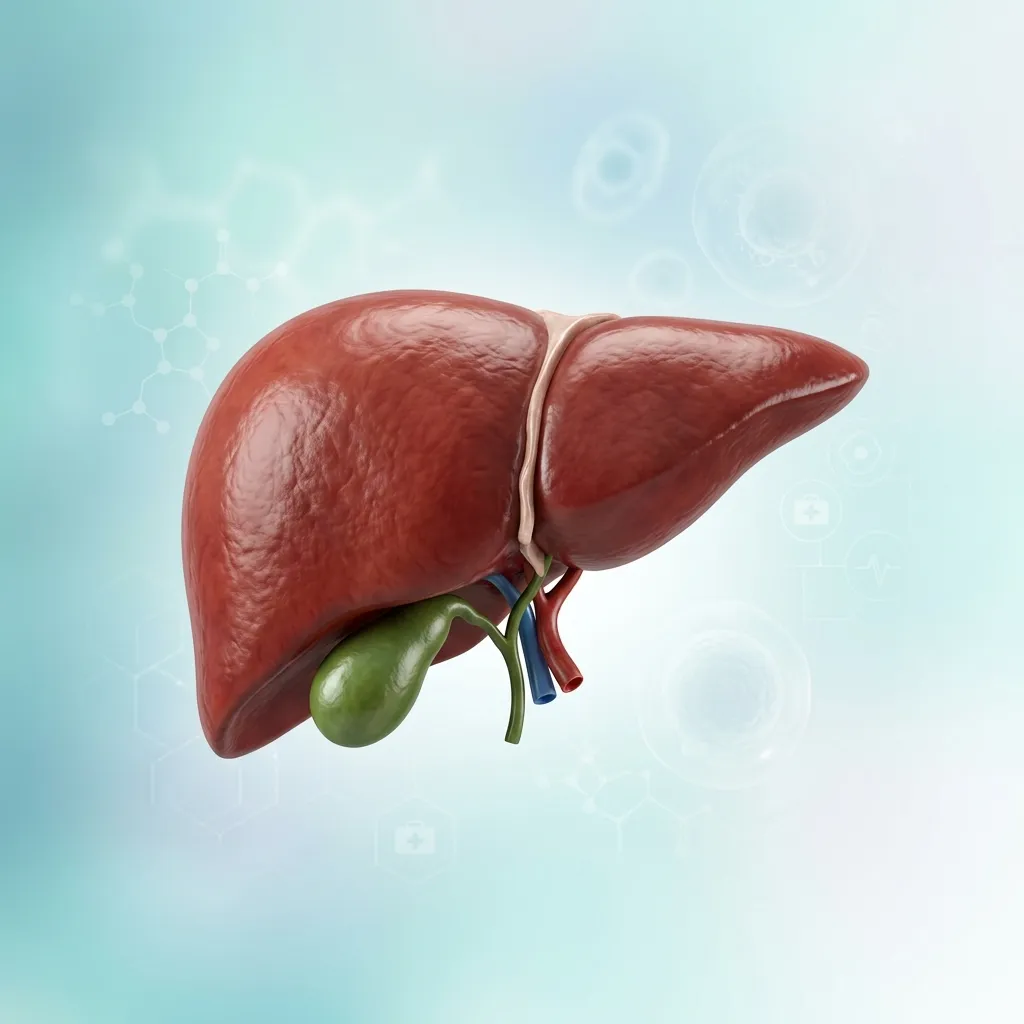
The liver is one of the hardest-working organs in the human body, performing over 500 essential functions daily—including filtering toxins, synthesizing critical proteins, storing vitamins, and regulating blood glucose levels. However, lifestyle changes, sedentary habits, and metabolic changes have contributed to a significant increase in liver disorders. Today, fatty liver disease has become one of the most common health conditions in India.
Because early-stage fatty liver disease rarely causes noticeable symptoms, many patients discover they have it incidentally during a routine abdominal ultrasound or general health screening. The most common question patients ask is: Can fatty liver disease be reversed? The short and reassuring answer is yes. If you catch it in its early stages and consult a dedicated liver specialist in Tumakuru, the liver has an extraordinary ability to regenerate and clear accumulated fat.
What is Fatty Liver Disease?
In medical terms, fatty liver disease is known as hepatic steatosis. It is characterized by the accumulation of excess fat inside liver cells (hepatocytes). In a healthy body, the liver naturally contains a small amount of fat. However, if fat accounts for more than 5% to 10% of the total weight of the liver, it is classified as abnormal fat accumulation, or fatty liver disease.
When excess fat builds up, it can trigger inflammation over time, damaging liver tissues and interfering with the liver's metabolic functions. If this fat buildup continues unchecked, it can lead to progressive scarring and long-term damage, highlighting the importance of early diagnosis and timely intervention.
Understanding the Types of Fatty Liver
Fatty liver disease is broadly divided into two primary types based on the underlying causes:
1. Non-Alcoholic Fatty Liver Disease (NAFLD): Recently renamed in global medical consensus as Metabolic Dysfunction-Associated Steatotic Liver Disease (MASLD), this form occurs in individuals who consume little to no alcohol. It is strongly linked to insulin resistance, metabolic syndrome, and systemic health conditions.
2. Alcohol-Related Fatty Liver Disease (AFLD): This type is caused by excessive alcohol intake. The metabolism of alcohol in the liver generates harmful byproducts that damage liver cells, promote inflammation, and accelerate the accumulation of fat.
What Causes Fatty Liver?
Understanding the underlying causes of fat accumulation is essential for creating an effective treatment plan. The development of fatty liver is multifactorial and often driven by a combination of the following:
- Obesity and Excess Weight: Especially abdominal obesity, which leads to increased circulating free fatty acids.
- Type 2 Diabetes and Insulin Resistance: When cells stop responding to insulin, the body transports excess fat to the liver instead of storing it safely in fat tissues.
- High Cholesterol and Triglycerides: Elevated levels of fats in the blood make it harder for the liver to process lipids.
- Sedentary Lifestyle: Lack of regular physical activity reduces calorie expenditure and worsens insulin resistance.
- Polycystic Ovary Syndrome (PCOS): Hormonal and metabolic imbalances associated with PCOS increase fatty liver risk.
- Hypothyroidism: An underactive thyroid gland slows metabolic processes, contributing to weight gain and fat accumulation.
- Excessive Alcohol Consumption: Directly triggers fat deposition and cell damage in the liver.
- Certain Medications: Long-term use of specific drugs (such as corticosteroids, tamoxifen, or methotrexate) can induce secondary fatty liver.
Who Is At Risk?
Certain health markers increase your likelihood of developing fatty liver disease. Review this patient checklist to see if you have any of the common risk factors:
Symptoms of Fatty Liver Disease
One of the most dangerous aspects of fatty liver disease is its silent nature. In its early stages, the majority of patients experience absolutely no symptoms. The liver does not have pain receptors on its surface, meaning it can accumulate fat and even undergo mild inflammation without signaling pain.
However, as the liver swells or struggles to perform its functions, some patients may notice subtle warning signs, including:
- Persistent Fatigue: Unexplained, constant tiredness and lack of energy.
- Upper Abdominal Discomfort: A dull ache, heaviness, or fullness in the upper right quadrant of the stomach under the ribs.
- Generalized Weakness: A feeling of physical fatigue that does not resolve with rest.
Can Fatty Liver Be Reversed? The Core Truth
Yes, fatty liver disease is highly reversible, provided it is diagnosed early and treated appropriately.
The liver is the only organ in the human body capable of complete regeneration. When excess fat accumulates, it is stored in small droplets within liver cells. If you remove the primary factors driving this accumulation (such as insulin resistance, unhealthy diet, or excess body weight), the liver cells will naturally metabolize and clear these fat droplets, returning to a healthy, fat-free state.
Research shows that losing 5% to 7% of your total body weight can significantly reduce fat deposits in the liver. If you lose 10% of your body weight, you can also reduce liver inflammation, resolve early cellular damage, and reverse mild scarring.
To achieve this, medical management of underlying conditions is essential. Controlling blood sugar levels in diabetic patients and optimizing lipid levels through medication and lifestyle changes are key pillars of successful NAFLD treatment in Tumakuru.
The Stages of Fatty Liver Disease
Fatty liver disease progresses through distinct stages. While the early stages are reversible, advanced stages can lead to permanent damage:
How Is Fatty Liver Diagnosed?
A clear, precise diagnosis is essential for determining the stage of the disease and creating a targeted recovery plan. An experienced gastroenterologist in Tumakuru will recommend the following diagnostic evaluations:
- Blood Tests & Liver Function Tests (LFT): Elevated levels of liver enzymes (ALT and AST) often indicate active liver inflammation. Blood sugar, HbA1c, and lipid panels are also checked.
- Abdominal Ultrasound: A non-invasive imaging test that can easily detect the presence of fat deposits in the liver.
- FibroScan (Transient Elastography): A quick, painless, and non-invasive ultrasound-based scan that measures liver stiffness. This is the gold standard for determining the exact degree of liver scarring (fibrosis) without needing a needle biopsy.
- CT Scan or MRI: Used in select cases to provide highly detailed, multi-dimensional views of liver tissue.
Treatment and Reversal Strategies
There is currently no single, magic pill that cures fatty liver disease. Reversal requires a comprehensive approach focused on treating the root causes:
1. Gradual Weight Reduction: Aim for a safe, steady weight loss of 0.5 to 1 kg per week. Rapid weight loss should be avoided, as it can actually worsen liver fat accumulation.
2. Metabolic Control: Ensure your blood sugar levels and cholesterol are strictly managed. Your doctor may prescribe medications to improve insulin sensitivity or lower lipids, which indirectly supports liver recovery.
3. Complete Alcohol Avoidance: If your fatty liver is alcohol-related, stopping alcohol use entirely is mandatory. Even for NAFLD, limiting alcohol is highly recommended to prevent additional liver stress.
4. Medical Management: In cases of advanced NASH, your hepatologist may prescribe liver-protective medications, antioxidants, or specialized treatments to reduce inflammation.
Diet and Exercise for Liver Recovery
Dietary changes and physical activity are your most powerful tools for reversing fatty liver. Here are practical guidelines for daily life:
eco Foods to Include
- Leafy greens, broccoli, and spinach
- Whole grains (oats, brown rice, millets)
- Legumes, beans, and lentils
- Nuts and seeds (rich in omega-3)
- Olive oil or cold-pressed oils (moderation)
- Green tea (antioxidant-rich)
cancel Foods to Limit / Avoid
- Sweets, cakes, and sugary beverages
- Refined flour (maida, white bread, pasta)
- Deep-fried snacks and fast food
- Red meat and processed meats
- Packaged fruit juices and sodas
- Alcohol of any kind
Best Exercises for Fatty Liver
Aim for at least 150 minutes of moderate-intensity exercise per week. A combination of cardiovascular and strength training works best:
- Brisk Walking / Jogging: Highly effective for burning visceral fat.
- Cycling or Swimming: Excellent low-impact cardiovascular options.
- Resistance Training: Building muscle improves insulin sensitivity, helping your body clear fat from the liver.
When Should You See a Gastroenterologist?
While fatty liver is common, it should never be ignored. You should consult a gastroenterologist in Tumakuru if you have been diagnosed with fatty liver on an ultrasound, or if you experience any of the following "red flag" symptoms:
- Persistent abdominal swelling or fluid buildup (ascites)
- Yellowing of the eyes or skin (jaundice)
- Unexplained swelling in your legs, ankles, or feet
- Severe fatigue, confusion, or changes in sleep patterns
- A family history of advanced liver disease or cirrhosis
Early screening, including a specialized FibroScan assessment, allows us to determine the exact state of your liver and take action before irreversible scarring develops.
Frequently Asked Questions
Yes, fatty liver disease—particularly in its early stages (simple fatty liver or early NASH)—is highly reversible. The liver has a remarkable capacity to heal and regenerate itself. Reversing the condition primarily requires targeted lifestyle changes, including gradual weight loss, healthy dietary modifications, regular exercise, and managing underlying metabolic conditions.
There is no instant or "overnight" cure for fatty liver disease. The most effective and sustainable way to reverse it is through gradual, healthy weight loss (targeting 7% to 10% of your body weight) combined with a low-glycemic, liver-friendly diet and regular physical activity. Managing diabetes and avoiding alcohol are also critical steps.
In its early stages, fatty liver disease is often a "silent" condition with no obvious symptoms. When symptoms do appear, they typically include persistent fatigue, general weakness, and a dull ache or discomfort in the upper right side of the abdomen. If the disease progresses to advanced scarring (cirrhosis), it can cause yellowing of the skin/eyes (jaundice), abdominal swelling, and fluid retention.
Yes, staying well-hydrated is highly beneficial for liver health. Water helps the liver filter out toxins and metabolic waste more efficiently. Drinking water instead of sugary beverages, carbonated sodas, or juices also helps reduce calorie and sugar intake, supporting weight loss and reducing fat accumulation in the liver.
For expert diagnosis and advanced fatty liver treatment in Tumakuru, you should consult a qualified liver specialist or gastroenterologist. Dr. Balakrishna A. at Siddaganga Hospital, Tumakuru, is a highly trusted expert providing comprehensive hepatology care, liver health assessment, and advanced diagnostics like FibroScan.
You should strictly limit or avoid foods high in refined sugars, simple carbohydrates, and unhealthy fats. Key items to avoid include sugary sodas, sweets, white bread, processed snacks, deep-fried foods, and red meat. Most importantly, alcohol consumption must be completely avoided, as it can accelerate liver damage.
A diagnosis typically begins with blood tests, including a Liver Function Test (LFT) to check liver enzyme levels. An abdominal ultrasound is commonly used to visually detect fat deposits. To determine the exact stiffness or scarring (fibrosis) in the liver, a specialized, non-invasive scan called a FibroScan is highly recommended.
Take Control of Your Liver Health Today
Fatty liver disease is a manageable and highly reversible condition if caught early. By making positive lifestyle choices, adjusting your diet, and getting professional medical guidance, you can protect your liver and ensure long-term wellness.
Dr. Balakrishna A. offers state-of-the-art diagnostics, including non-invasive FibroScan liver evaluations, and personalized treatment plans at Siddaganga Hospital, Tumakuru.